
Swappable batteries: Designing a product category that didn't exist yet
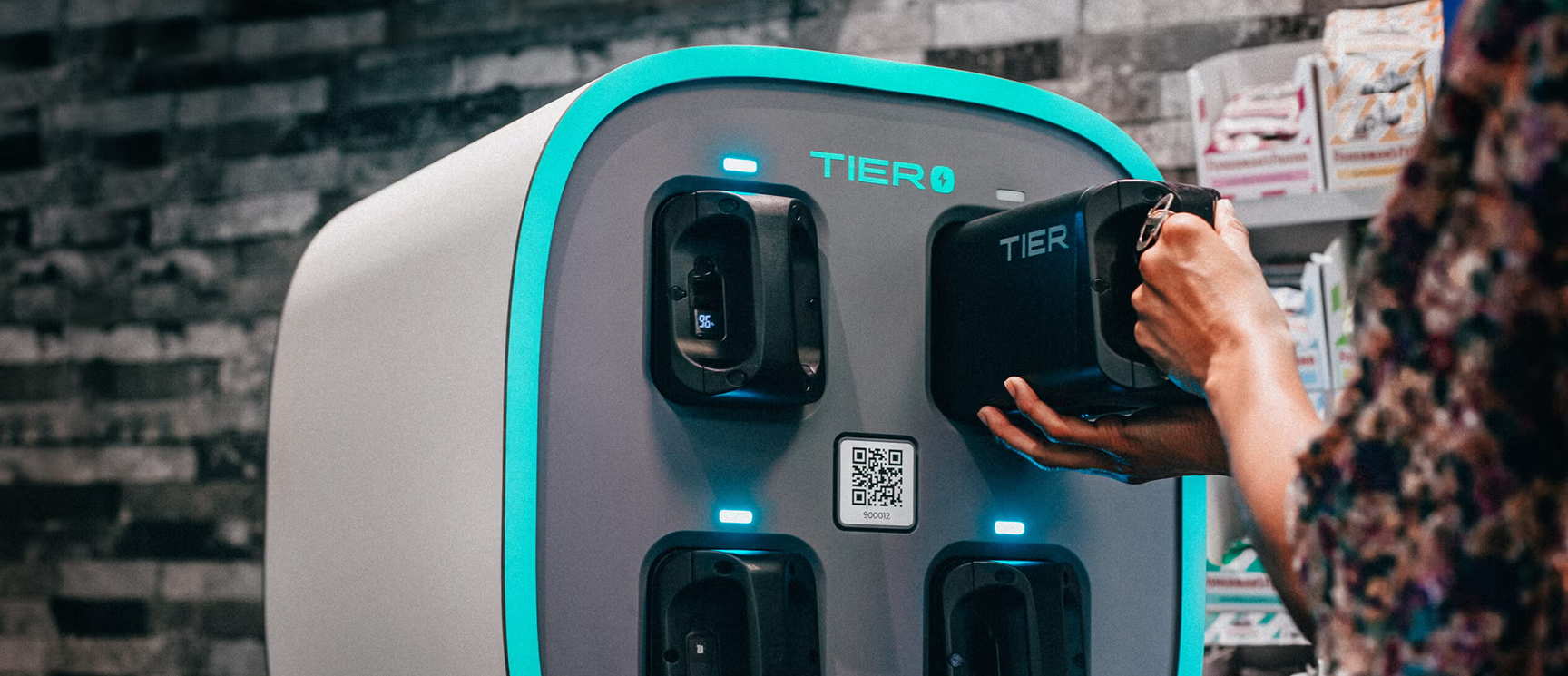
Swappable Batteries
TIER wanted riders to swap e-scooter batteries at grocery stores in exchange for free ride minutes. No European company had done this before. No reference points. No proven flow. I led the initiative for 6 months - from research through MVP launch.
Role
Lead Product Designer
Year
2021–2023
Summary
Product Design
UX Research
Strategy
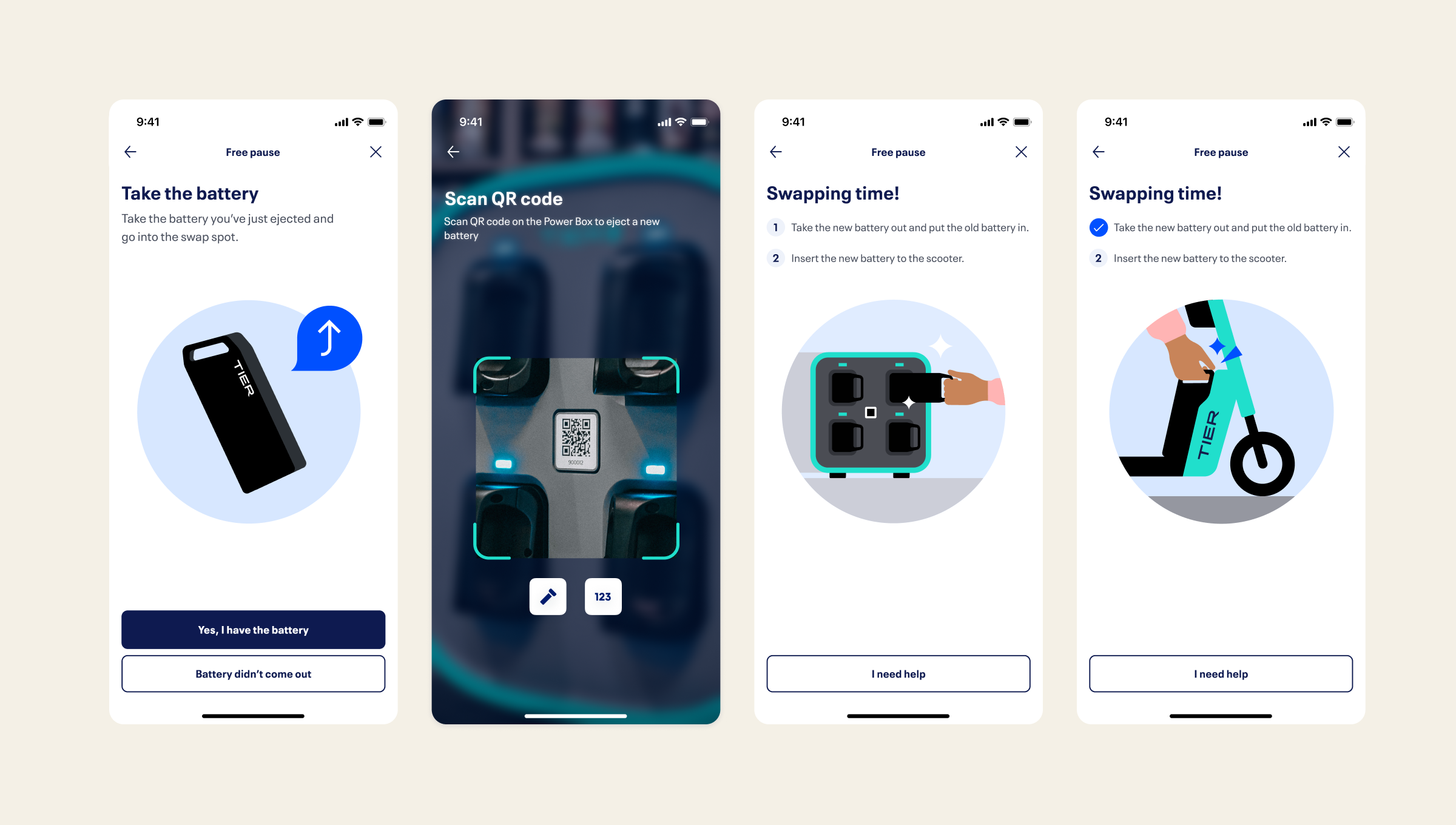
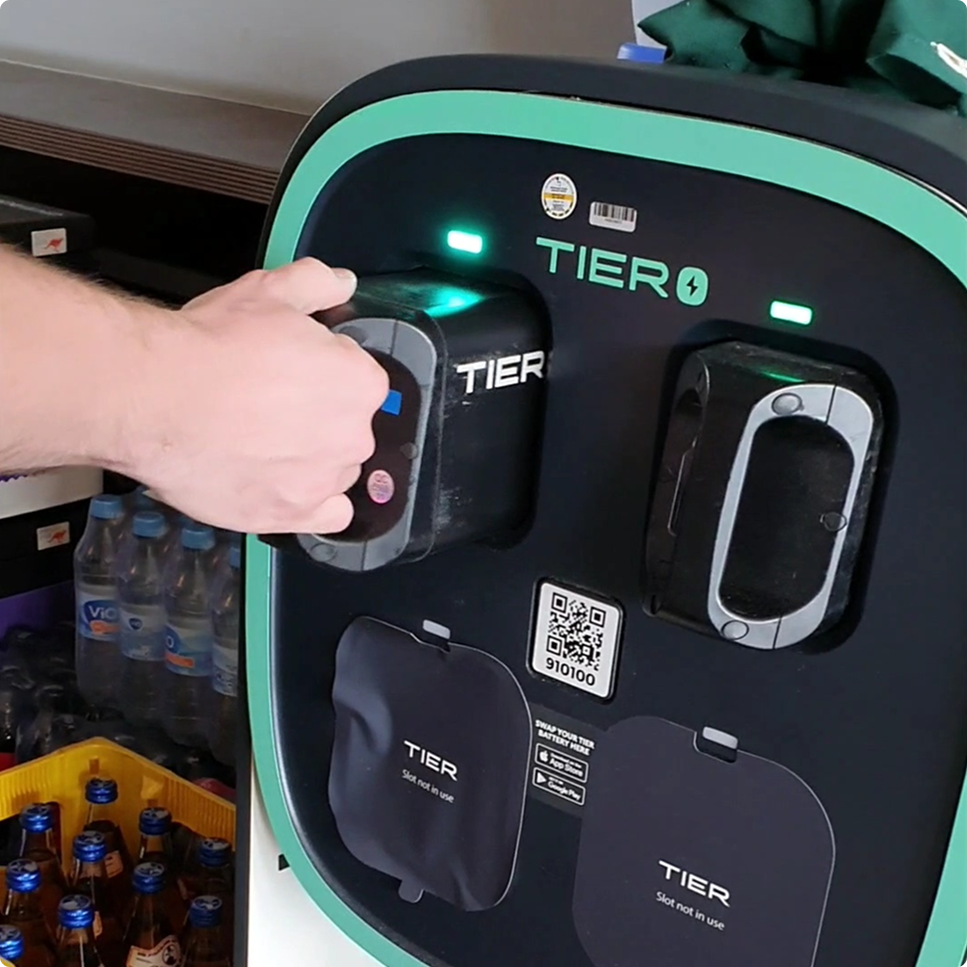
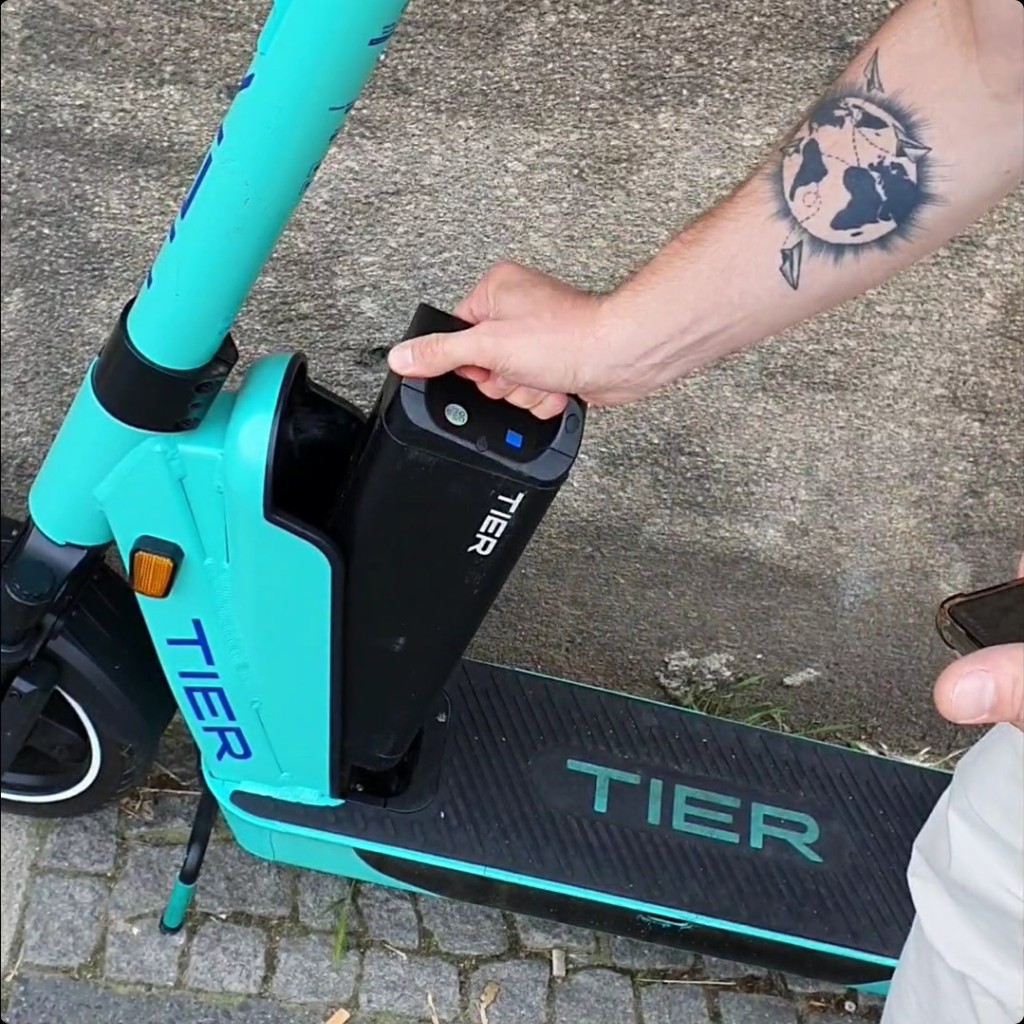
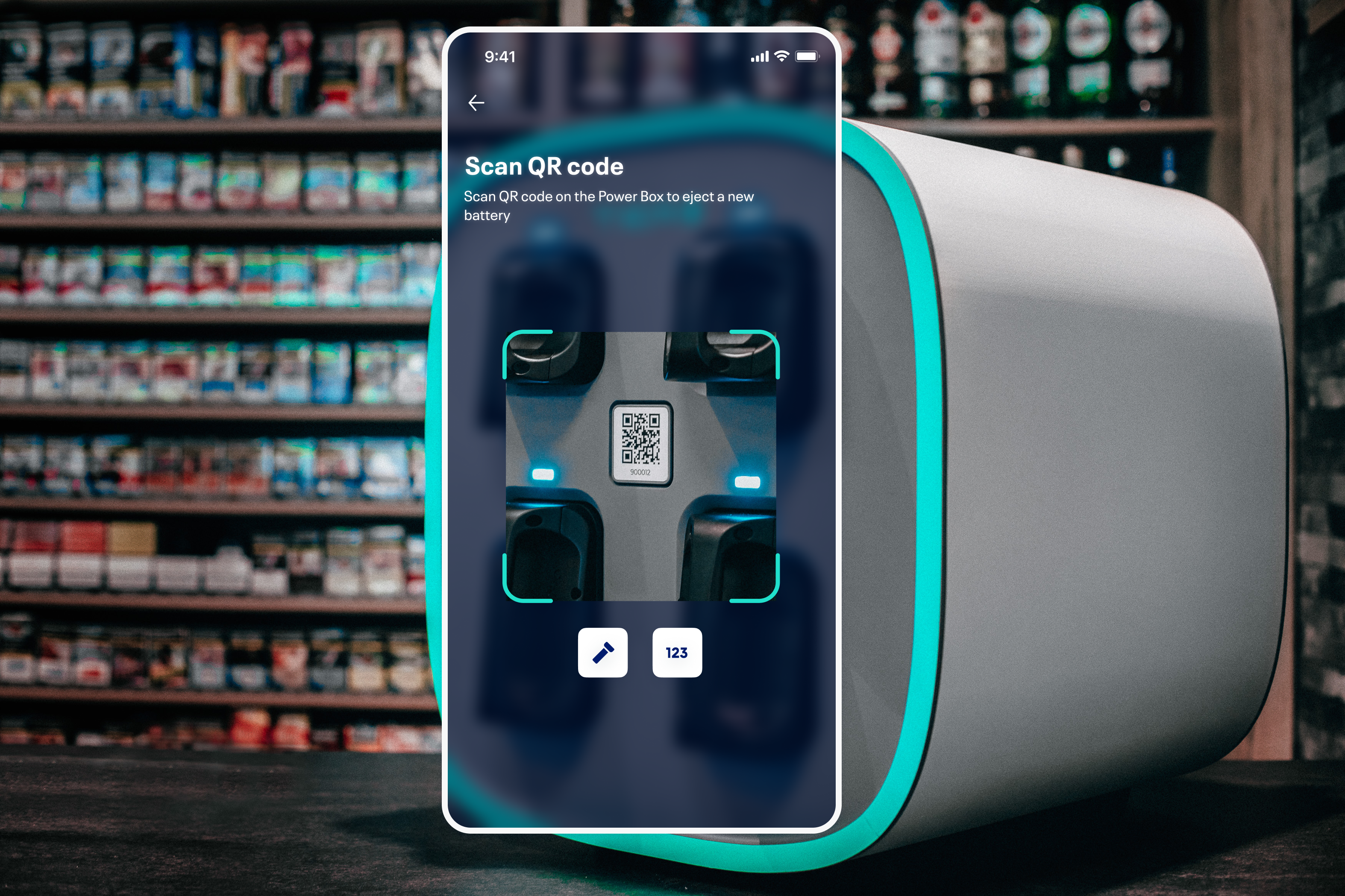
The outcome and learnings
The MVP shipped. Riders could swap batteries mid-ride. We identified the key persona doing most of the swaps - which reshaped how we prioritized the next iteration. Simplified the flow to two steps with real-time status feedback and animations. Validated that the whole thing worked within existing hardware constraints. No new infrastructure required.
Core Product Features
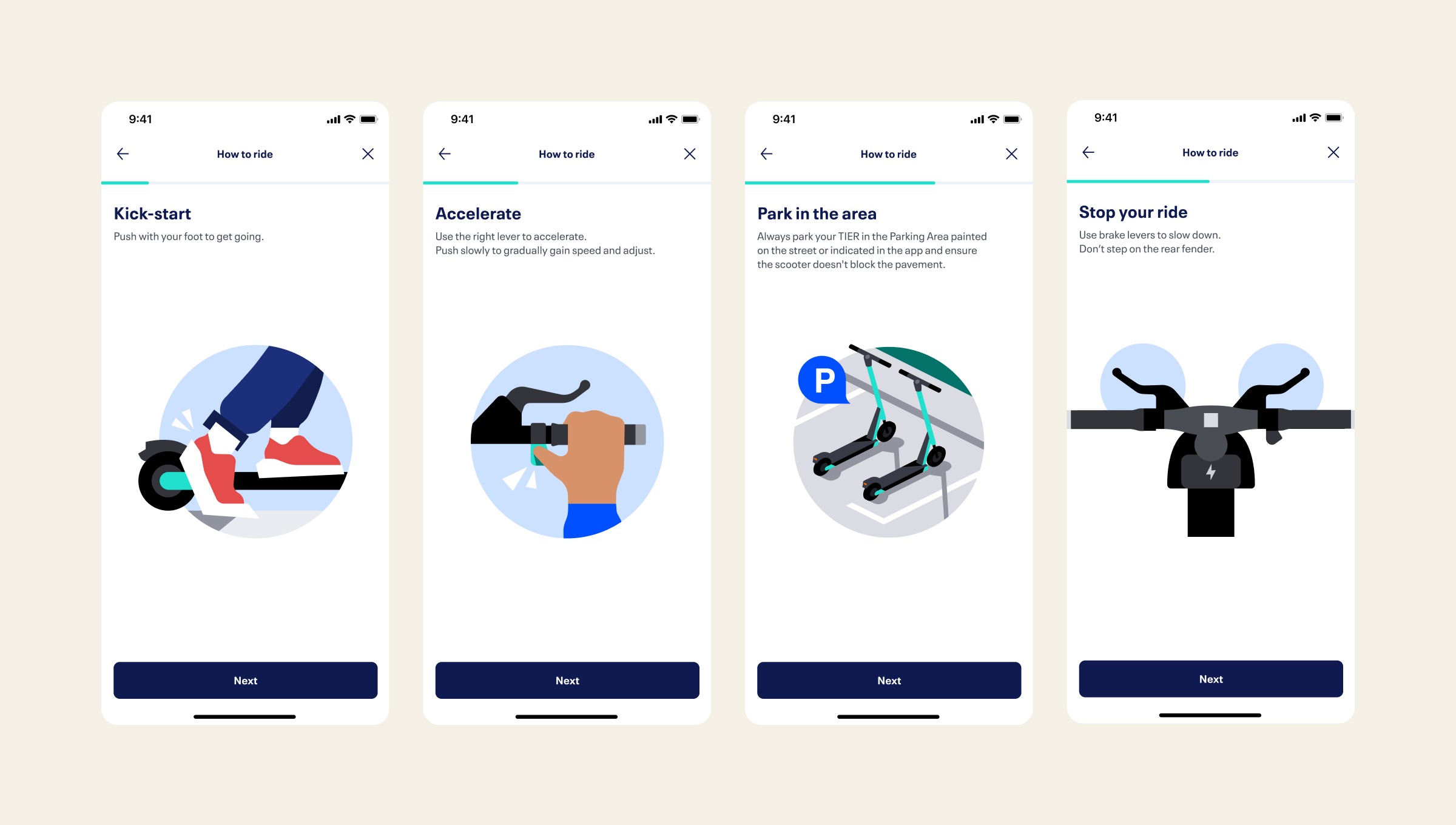
Alongside the battery initiative, I led discovery and delivery for several core features at TIER: parking compliance, authentication, and account management. These aren't the projects that make headlines. They're the ones that fix conversion, reduce support tickets, and stop users from churning before they ever take a second ride.
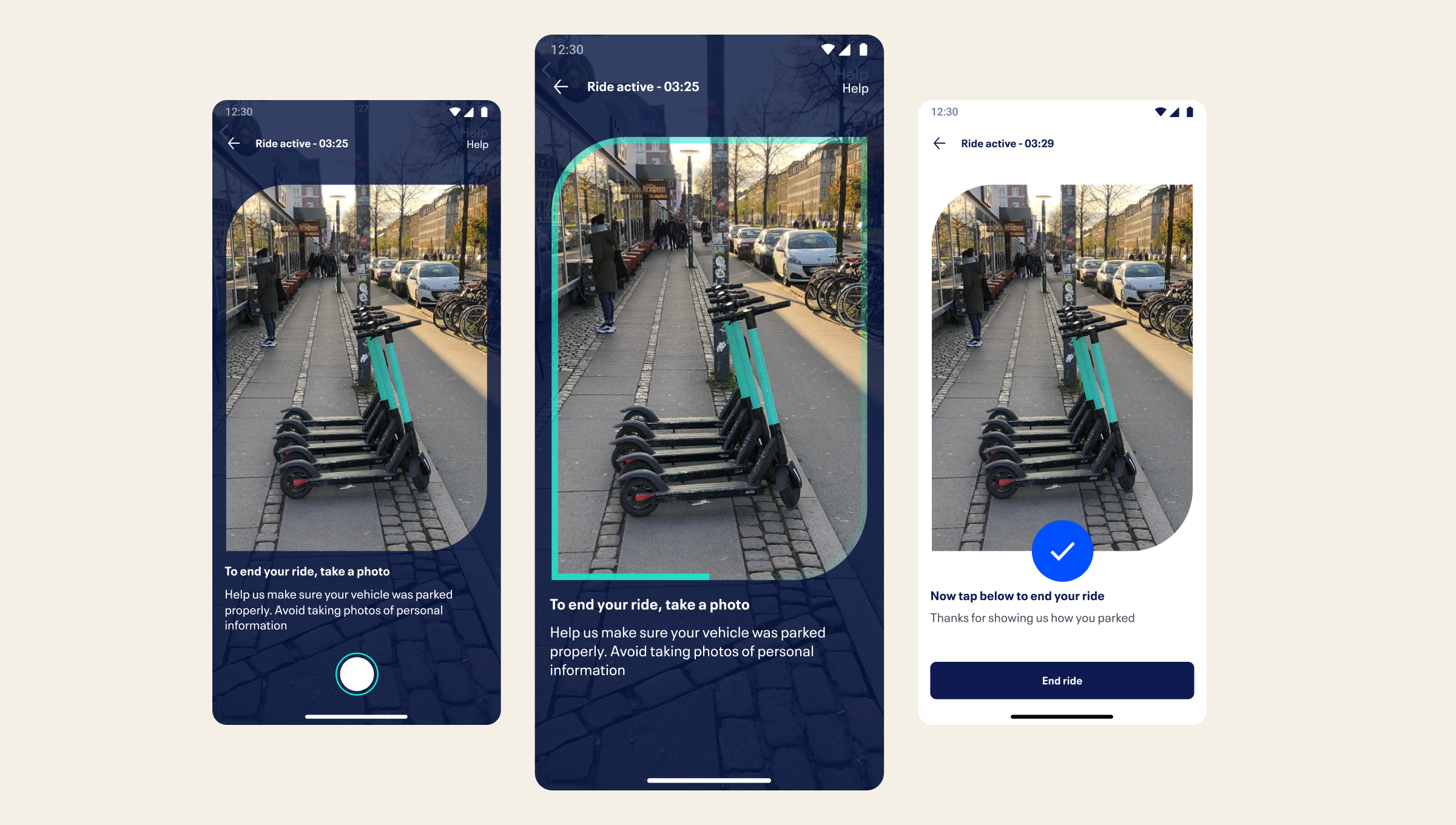
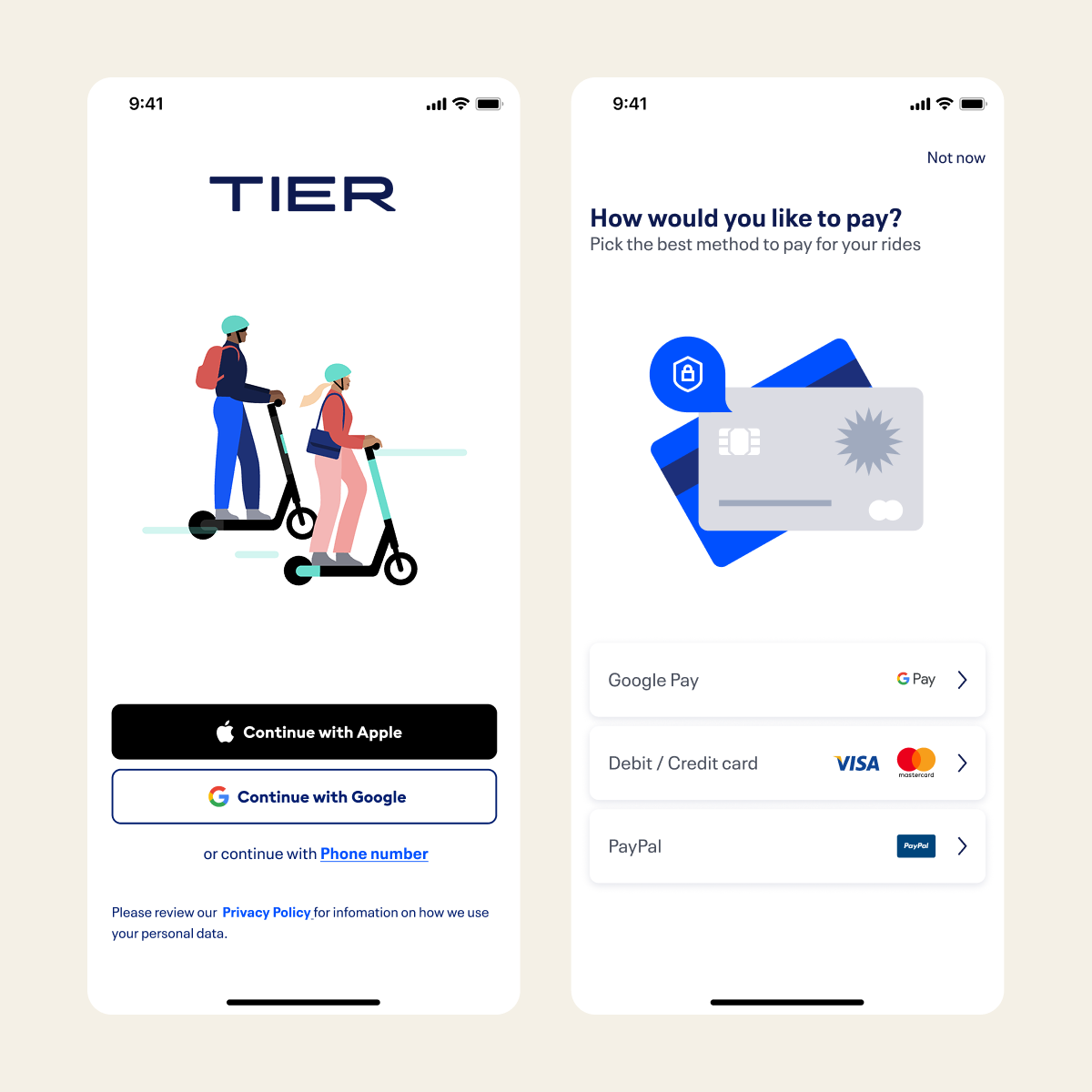
The outcome
After-ride photo capture shipped in 4 weeks. Parking behavior improved immediately. Single Sign-On with Google and Apple cut sign-up friction. Account management shipped as a full suite: privacy settings, account deletion, and an enhanced sign-up experience. Most importantly, we built a habit of using Amplitude metrics to prioritize features - not opinions.
On-Site Research
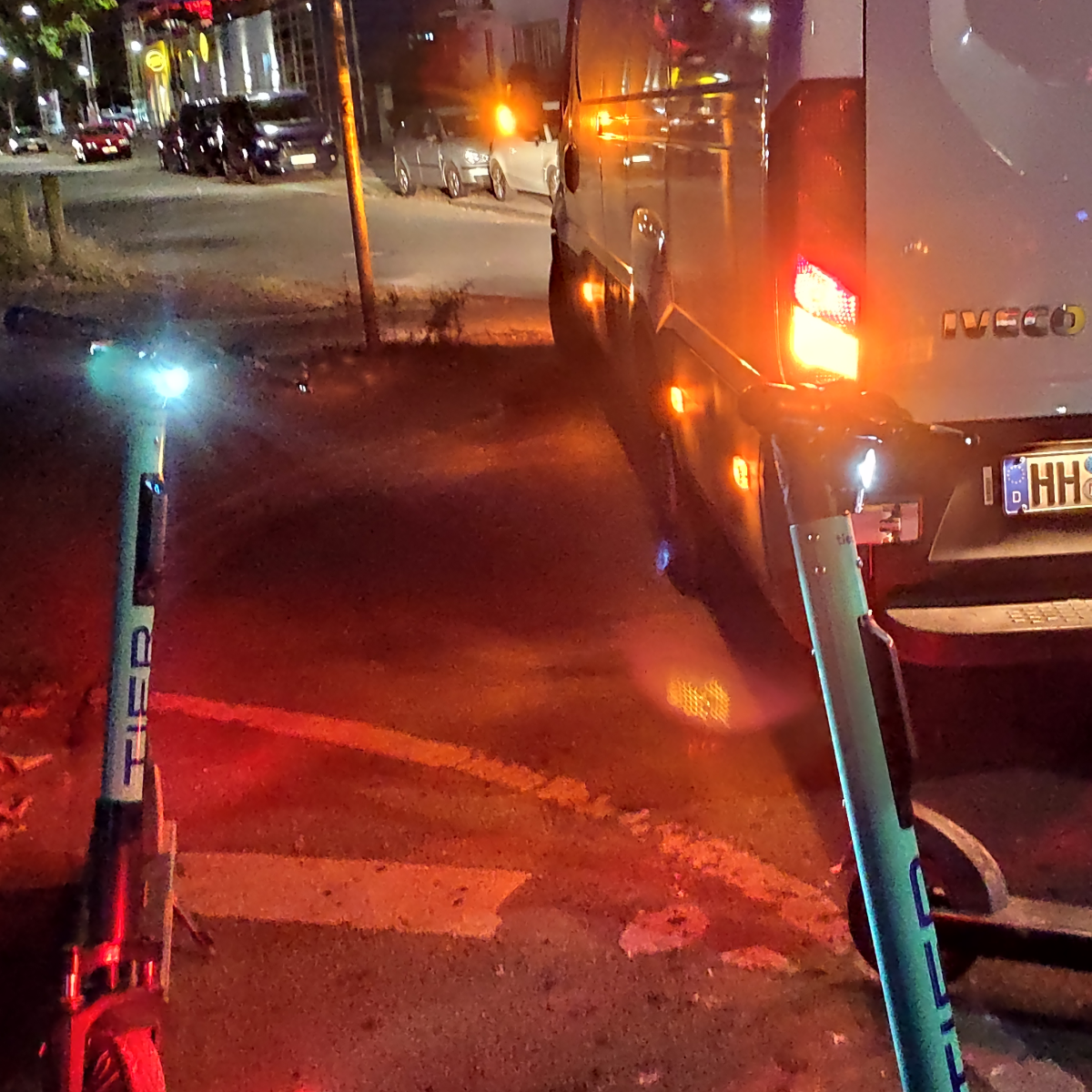
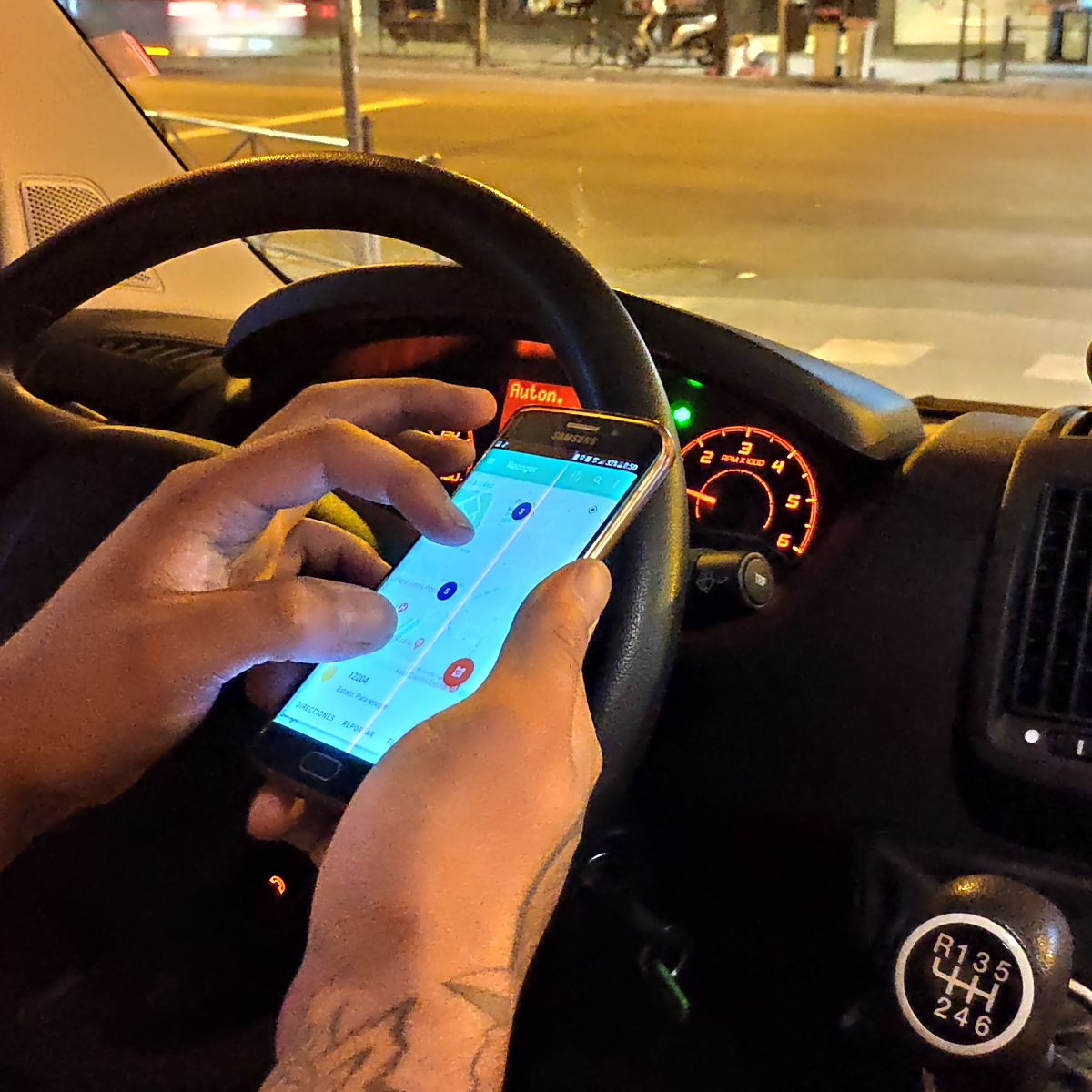
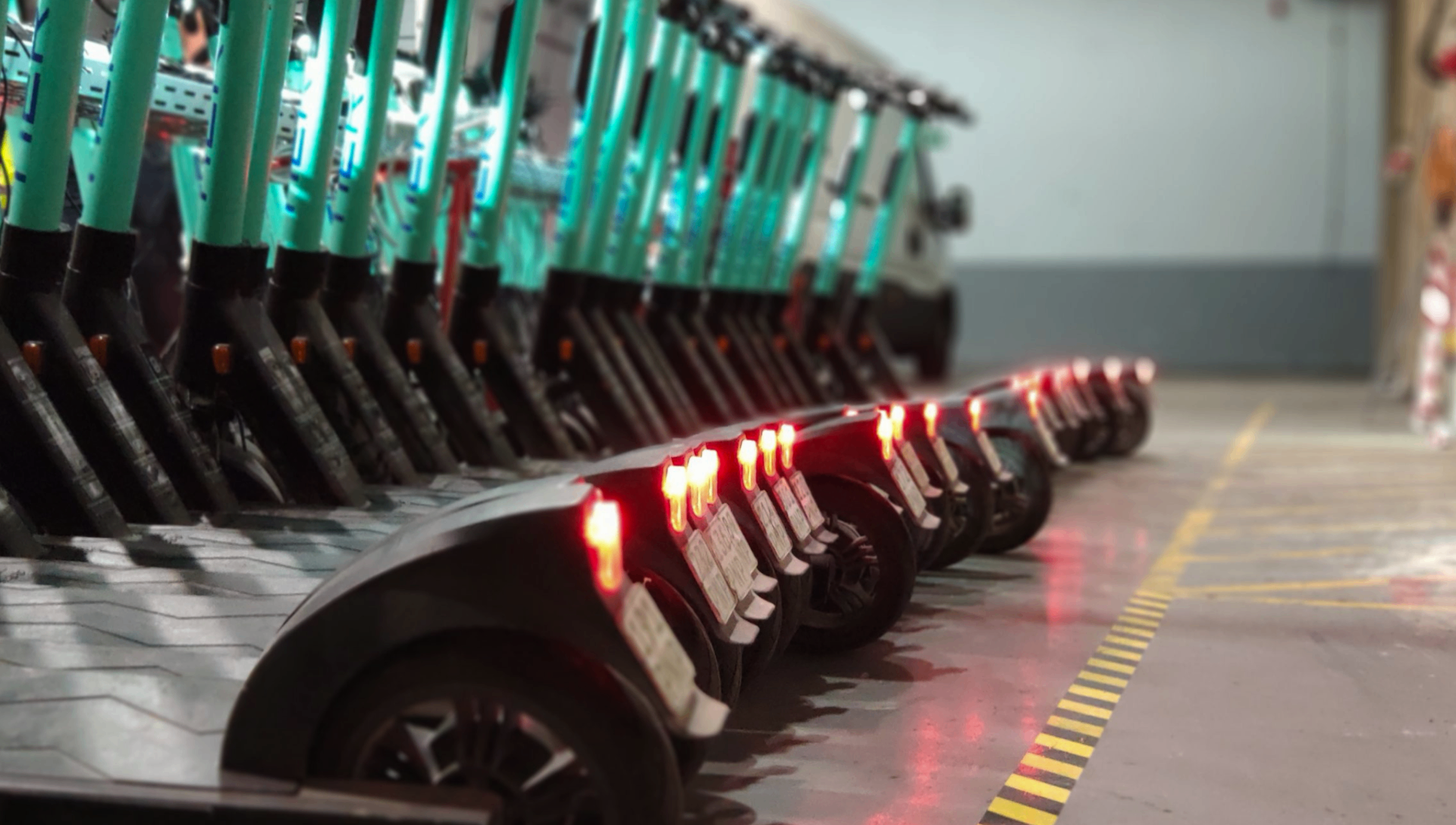
Before any of this work made sense, someone had to go figure out what was actually happening on the ground. I was TIER's first UX Researcher. Over 3 months, I ran a qualitative research mission across 11 European cities to understand how riders, cities, and operations teams experienced the product in the real world.
The outcome
Delivered TIER's first user personas. Established the foundation for a UX Research practice that didn't exist before I arrived. The Ranger shadowing surfaced operational inefficiencies that weren't visible from a desk. Guerrilla competitor testing gave us real preference data - not guesses. 55 sessions. 11 cities. Weekly insights flowing directly into product decisions. That's how you stop designing from assumptions and start designing from evidence.